ST 300
Built for the bigger picture.
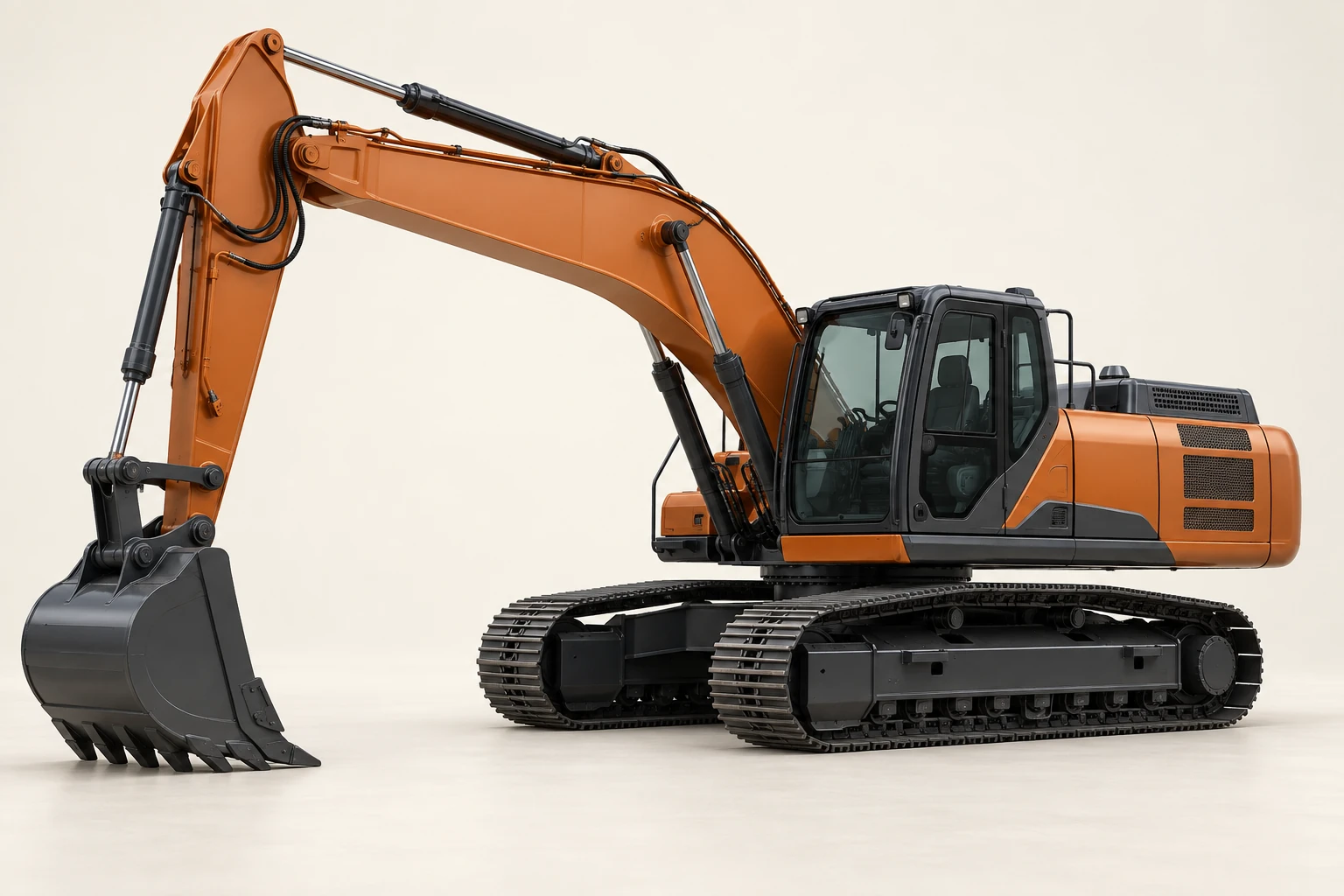
Machine overview.
A larger medium-range concept for more substantial excavation and loading briefs, with a separate specification to compare against the ST 220.
A wider brief for larger projects.
The ST 300 provides a second medium-range comparison point. Review the complete configuration and the project work cycle rather than selecting from operating weight alone.
Prepare the configuration discussion.
Bring the application, destination, attachment needs and target delivery period. Ask for the exact equipment specification and support scope to be recorded in the proposal.
- 01
Larger foundations
- 02
Site development
- 03
Earthmoving and loading
Technical
specifications.
A starting point for your specification.
Confirm the final machine configuration in your proposal.
| Operating weight | 30.0t |
|---|---|
| Engine power | 180kW |
| Bucket capacity | 1.50m³ |
| Max. digging depth | 7,100mm |
| Overall width | 3,200mm |
Attachments &
configuration.
Start with the work. Then define the attachment, fitment and hydraulic requirements together.
Excavation bucket
Match capacity and geometry to the material and working cycle.
Application-specific bucket
Match capacity and geometry to the material and working cycle.
Hydraulic tool review
Review flow, pressure and the operating requirements of the tool.
Availability and compatibility depend on the exact machine and attachment combination.
Explore attachment typesA clearer brief.
A better start.
Bring the details that make your project different. Build the machine and support discussion around them.
Parts & ownership supportWhat should I include in my enquiry?
Share the quantity, destination, main application and intended delivery period.
Compare the project need with the ST 220 before sizing up.
Include loading partners and working-space constraints.
Confirm transport, attachment and destination requirements.
How do I confirm the right configuration?
Confirm required reach, access limits, ground conditions and attachment needs. Ask for the final specification and compatibility details in the proposal.
Read the buying guideWhat support should I plan for?
Discuss service access, parts identification, documentation and operator requirements for your destination. Agree the exact support scope before ordering.
Make the next
move yours.
Tell us where you work.
Let’s start with the right questions.